
My Biography
A LIFE IN MUSIC
The story behind the sound.
1967 — 1984
The early years
Bratt Sinclaire — whose real name is Andrea Leonardi — was born in April 1967 in Milan, Italy. His parents were both high school mathematics teachers (… poor fellow!), so he grew up in a highly cultured environment. From an early age, however, he felt that academic life was not the right path for him. In the late 1970s he fell under the spell of music, becoming a huge Elvis Presley fan. In 1980 he was literally kidnapped by the six-string call of AC/DC.
Over the next three years he studied music theory, devoted countless hours to his guitar and took all the familiar steps of a teenager caught in the music trap: putting together a band for the annual school summer party, saving for a brand-new Gibson SG (Angus Young style), and so on. Music soon replaced school as his main activity, and in 1984 he left high school to attend a three-year jazz guitar course.
In 1984 he met another huge AC/DC fan from the neighbourhood, Alberto Contini (Rodgers and Contini label), and in May joined a heavy metal band called Layout. The band’s first singer is now known in Japan as Niko. What a small world!
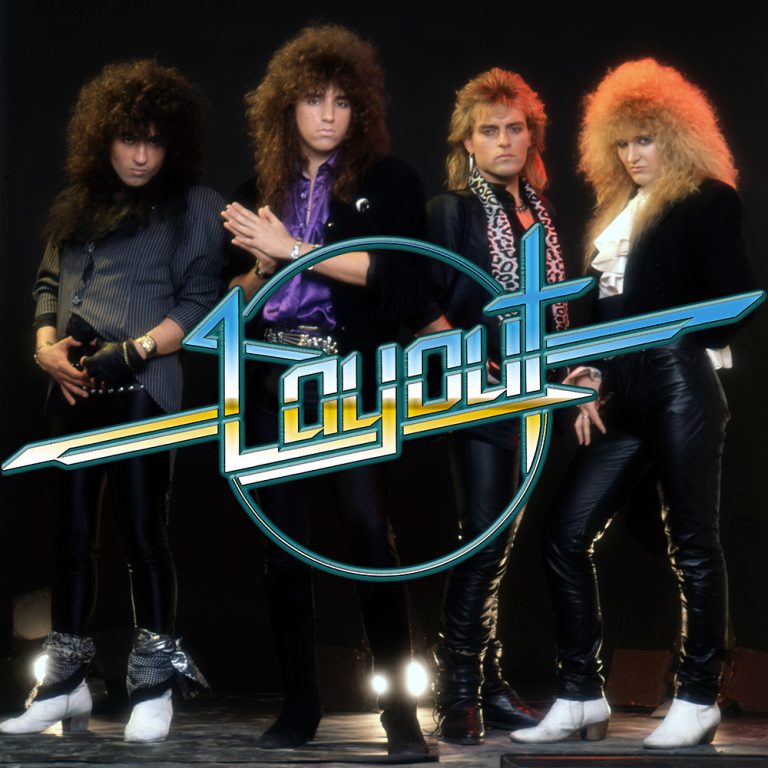
Layout
A-Beat-C
1985 — 1991
The rock years
Between 1985 and 1987, Sinclaire divided his musical activities between Layout and his first recording projects, producing demo tapes for local rock bands and working as the main sound engineer at many live shows, including performances by Contini’s band Bulldozer.
In 1987 Joe Vescovi, formerly a keyboard player with the Italian band The Trip in the 1960s and associated in the original biography with Ritchie Blackmore’s Rainbow in the 1970s, became Layout’s manager and took the band on tour in Canada in April, May and June 1988.
In 1989 Contini asked Sinclaire to produce Bulldozer’s new live album, Alive… in Poland. Layout suddenly broke up in 1990, allowing him to focus on producing rock and heavy metal albums for the independent label Metal Master. His dance music career began in 1991, when Contini invited him to join his new record label.
1991 — 1995
The A-Beat-C era
A-Beat-C signed a major deal with Avex Trax in Japan, then a dance-music-oriented company. Contini wanted a team strong enough to take on the world’s second-largest record market. Sinclaire joined the label and moved from Milan to Mantova.
At Avex’s request, Andrea Leonardi adopted the artist name Bratt Sinclaire, reminiscent of Bret Sinclair, Roger Moore’s character in the popular 1970s British television series The Persuaders!, still one of Bratt’s favourites. The four years in Mantova with Contini and Dave Rodgers, the former 1980s Hi-NRG singer and A-Beat-C co-owner, were amazing.
The A-Beat-C team — Alberto Contini, Dave Rodgers, Bratt Sinclaire, Gino Caria, Sandro Oliva, Luigi Raimondi, Giordano and Fabrizio Rizzolo — worked closely with Avex Trax’s A&R team to make Eurobeat popular among young Japanese listeners.
Many A-Beat-C tracks were released by Avex on its monthly flagship compilation Super Eurobeat, alongside Time Records productions mixed by another Eurobeat producer, Laurent Newfield.
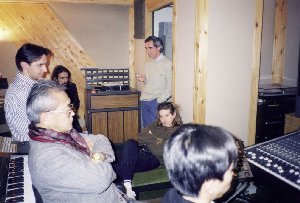
From left: Contini, Rodgers, Tom Yoda, Max Matsuura, Sinclaire, Caria
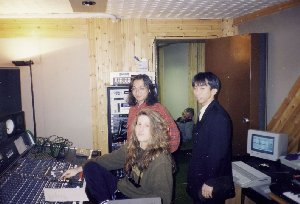
Sinclaire, Max Matsuura, Hoshino
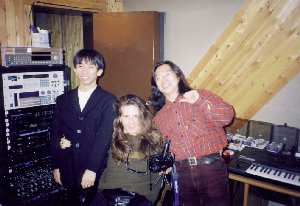
Bratt, Max Matsuura, Dino Oshino
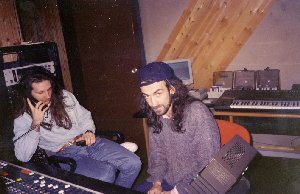
From the A-Beat-C archive
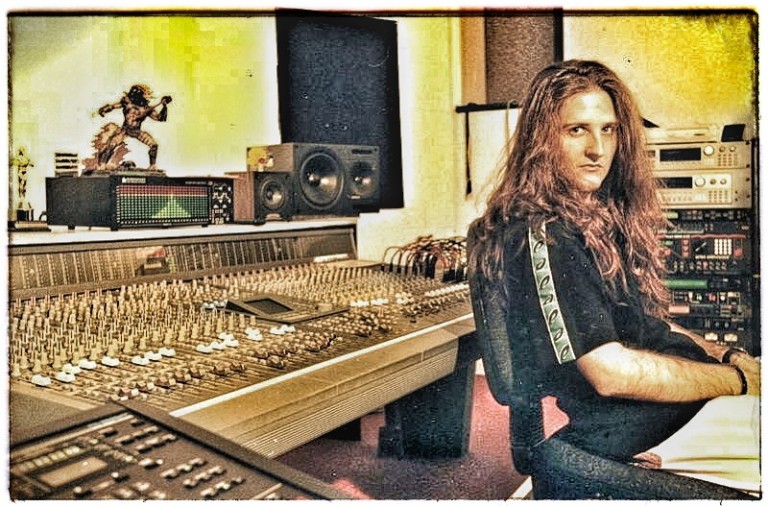
From the archive
1991 — 1995
A sound of his own
Thrilled to run the label’s B studio independently, Bratt immersed himself in composing and producing Eurobeat and Techno. In 1991 he composed and produced King and Queen together with Contini, a track that remains one of Eurobeat’s biggest hits.
His Eurobeat style was distinctive from the outset compared with the classic Hi-NRG and Eurobeat of the previous decade, probably because of his strong rock background. His songwriting was influenced by American FM radio and AOR, while his mixes were aggressive in sound and balance: the lead voice floats on the music. It doesn’t step on it.
Between 1991 and 1995, Sinclaire composed, mixed and produced more than 200 tracks, many of which established a new Eurobeat and Techno trend in Japan. The entire A-Beat-C team worked with great professionalism, and Contini’s decision to bring Bratt on board proved decisive.
Thanks to Contini’s business skills and Avex’s confidence in the team, A-Beat-C also entered the Japanese pop market. Some of the label’s best songs were covered by major Japanese pop artists, and several of Bratt’s compositions reached high positions in the Japanese Top 10 pop chart.
1994 — 1995
The birth of Delta
By late 1994, the pressure and exhaustion of years of intense work made the label environment uncomfortable for Bratt. He signed a freelance production agreement with A-Beat-C and returned to Milan, where the first Sinclaire studio was built. Away from Mantova, he began to consider a different experience based on talent and healthy ambition rather than high-level music-business politics.
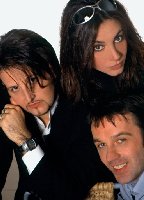
Back in Milan he met Clara Moroni and Laurent Newfield from Time Records. They told him of their intention to leave Time Records, and suddenly everything was clear. In the second half of 1995, by agreement with Contini, Bratt left A-Beat-C. Fifty days later Delta was born and signed a major agreement with Avex.
Bratt Sinclaire, Laurent Newfield and Clara Moroni were considered the Eurobeat dream team by listeners even before the first track was released. To give Delta a unified identity, the two producers credited every Eurobeat production as “Produced by Newfield & Sinclaire”, although both worked independently on their own tracks in two different Italian cities throughout Delta’s existence.

From the archive
From the archive
From the archive
Japanese music awards

Universal Music Japan compilation
1996 — 2002 / 2018
Night of Fire
Avex began releasing an annual Super Eurobeat Request Countdown compilation, based on listeners’ votes over the previous eleven months. If the A-Beat-C years were amazing, the Delta years were fantastic. Delta consistently placed at least five tracks in the annual Top 10, with Sinclaire’s songs reaching No. 1 from 1996 to 1999 and again from 2001 to 2002.
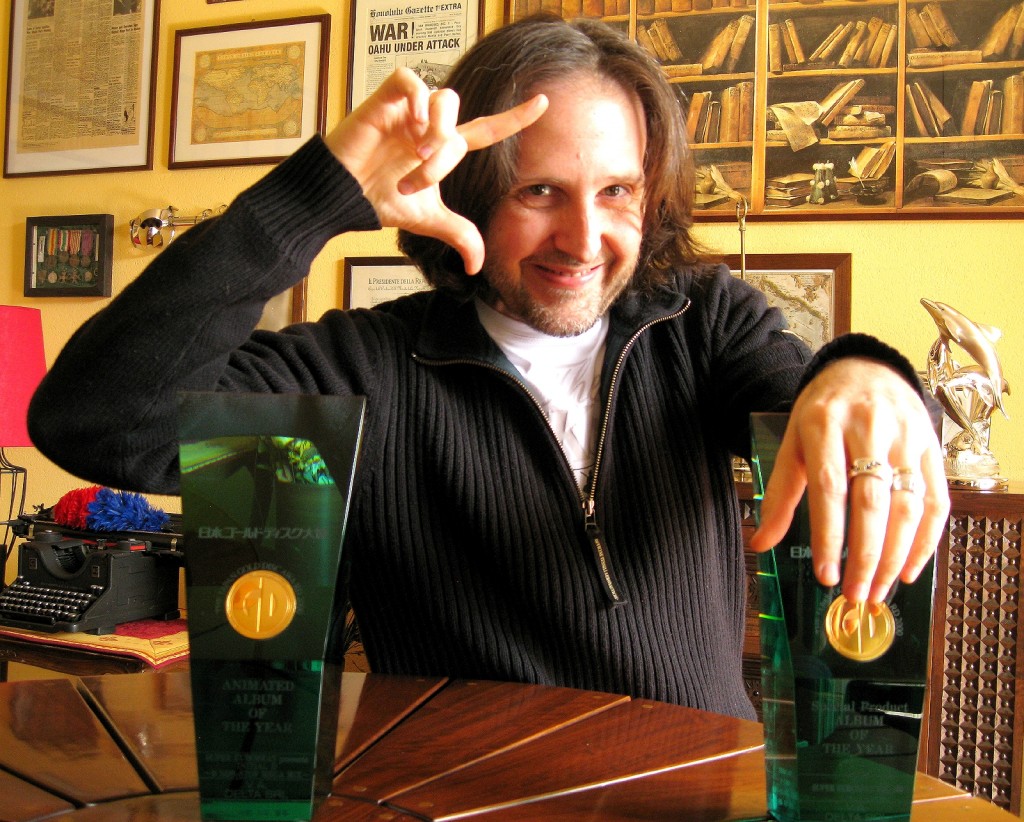
One of those songs, Night of Fire by Niko, achieved the highest ranking in four of eight Super Eurobeat Request Countdowns. In 2000 it brought three prestigious Japanese music awards to Delta’s office.
In 2018, Universal Music Japan included Night of Fire by Niko in an international compilation alongside major artists from around the world. Thanks to this iconic track, Eurobeat stood among the stars of the world.
Gold Album of the Year
Animated Album of the Year
Special Product of the Year
2006 — 2011
SinclaireStyle
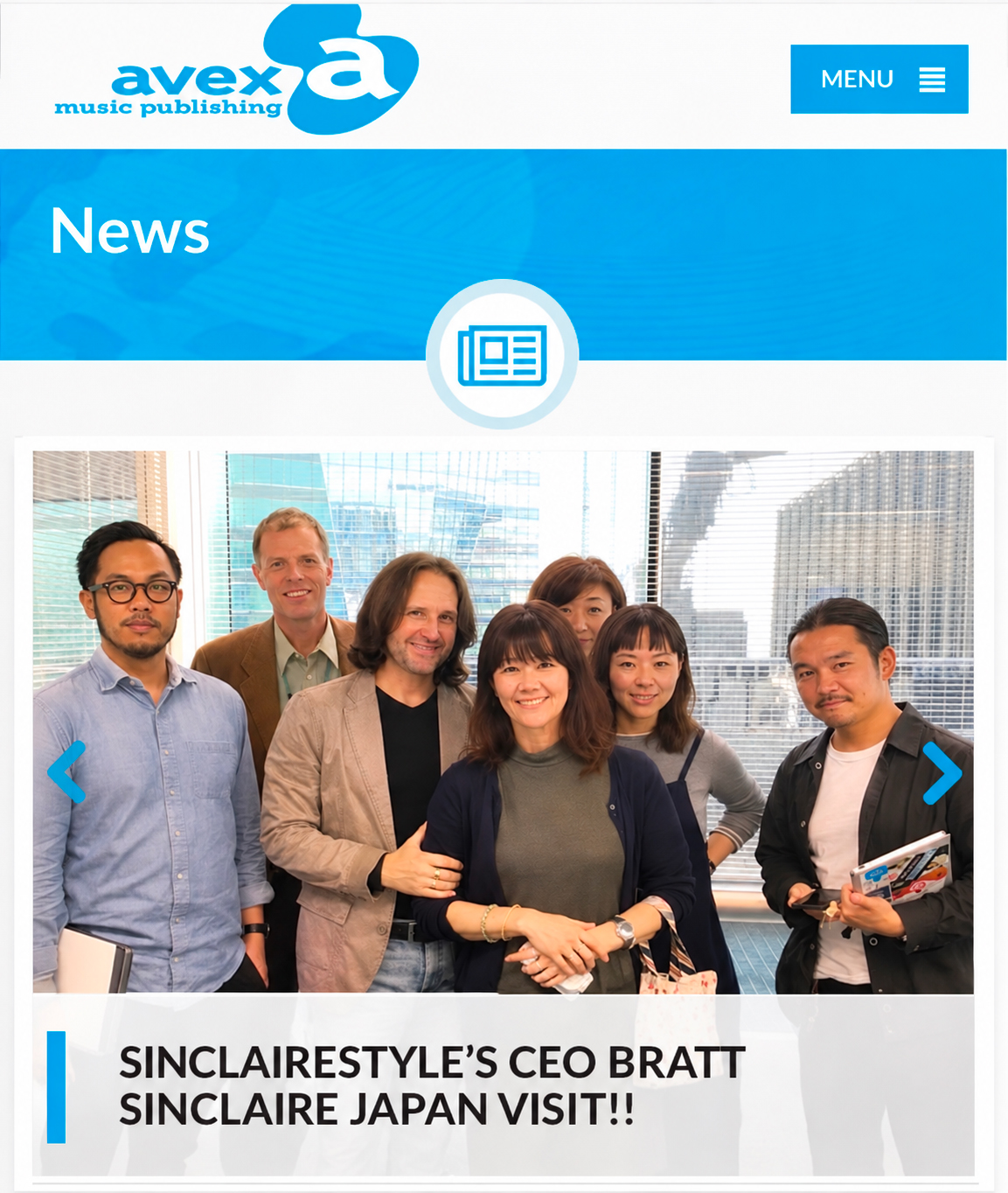
In 2006, Delta appeared interested in pursuing new partnerships in the Japanese dance market beyond Avex, and Bratt decided to leave the company. In 2007 a new Eurobeat and Techno company, SinclaireStyle, was born.
The master recording and publishing rights of the tracks composed and produced by Sinclaire at Delta were transferred to SinclaireStyle, and in 2008 Bratt was ready to restart his Eurobeat and Techno career.
In 2011 SinclaireStyle began independently distributing digital Eurobeat and Hyper Techno releases worldwide, excluding Asia at that time. New fans of Para Para and dance music emerged across North and South America and beyond. Bratt’s songwriting and distinctive commercial sound helped bring both genres to a growing international audience.

SinclaireStyle
Avex Music Publishing — Japan visit
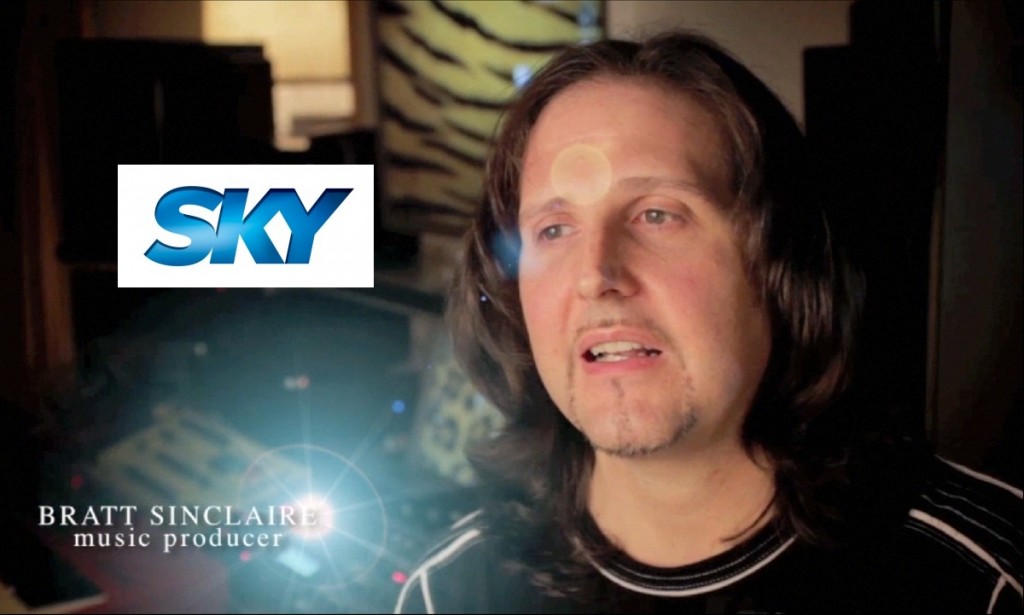
Italian Sky TV
2011 — Beyond
The story continues
In 2011 Italian Sky TV featured Sinclaire, also known as Andrea Leonardi, describing him as the most covered Italian musician in Japan, with 21 different tracks covered at the time.
2018 — GLOBAL EXPANSION
The Pirames partnership
In 2018, SinclaireStyle entered into a major strategic partnership with Pirames International, marking a new chapter in the worldwide development of Bratt Sinclaire’s musical catalogue.
The agreement entrusted Pirames with worldwide digital distribution and royalty collection, strengthening the international presence of SinclaireStyle across digital music platforms.
This partnership represented a significant milestone in Bratt’s career, combining the creative independence of his own record label with the expertise and global reach of an established international digital music partner.
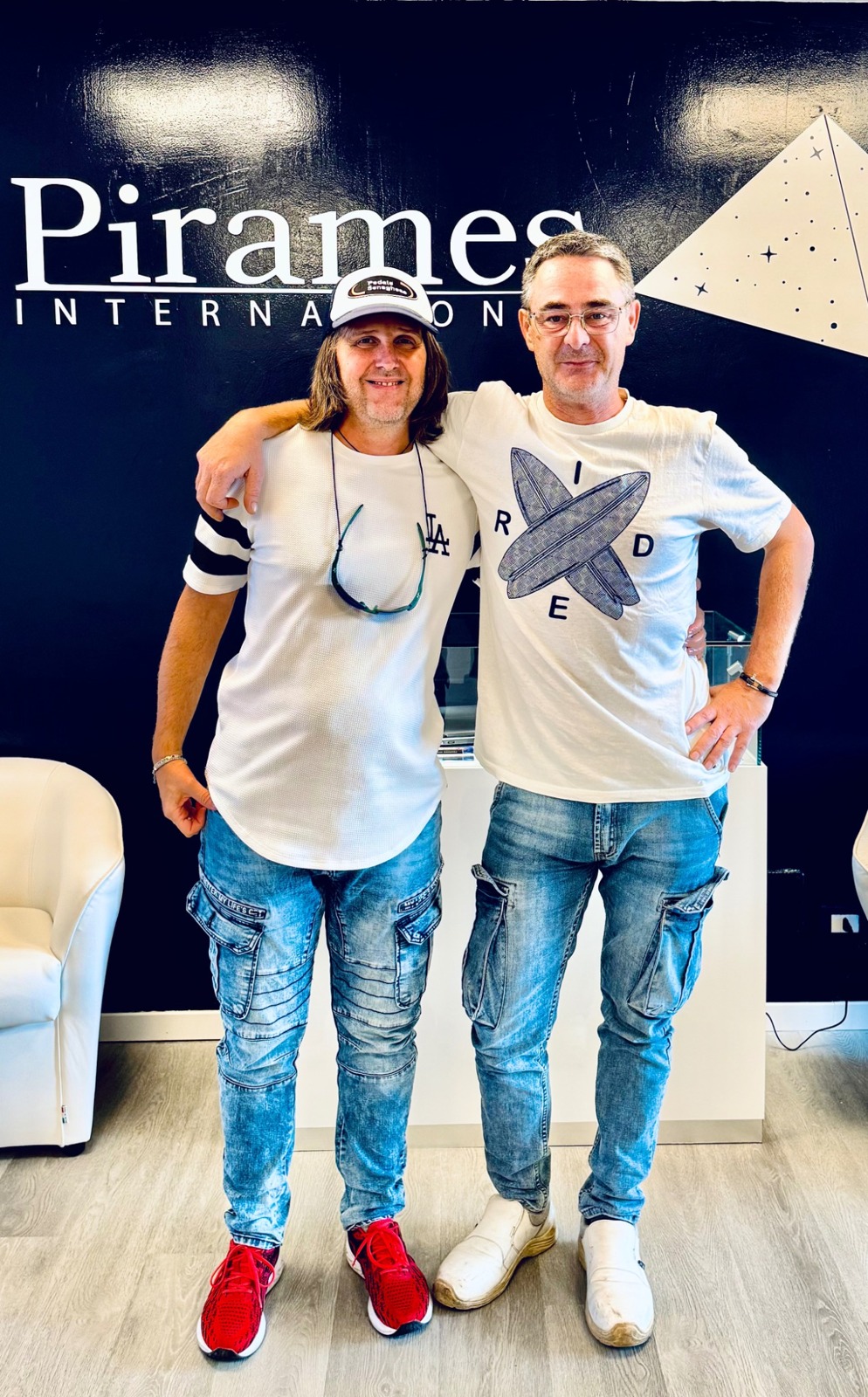
Bratt Sinclaire and Federico Montesanto, CEO of Pirames International.
Bratt has a natural tendency to put his latest success behind him and start looking for the next, always with one goal in mind: taking his music higher than ever before.
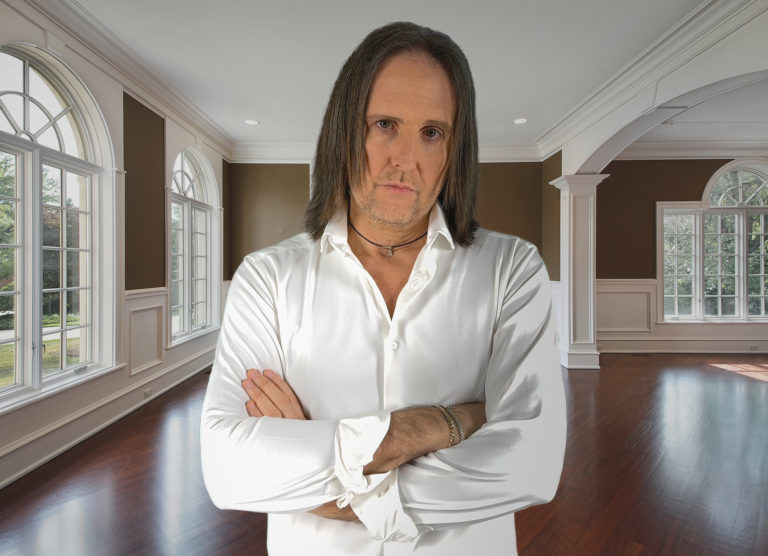
Bratt Sinclaire